

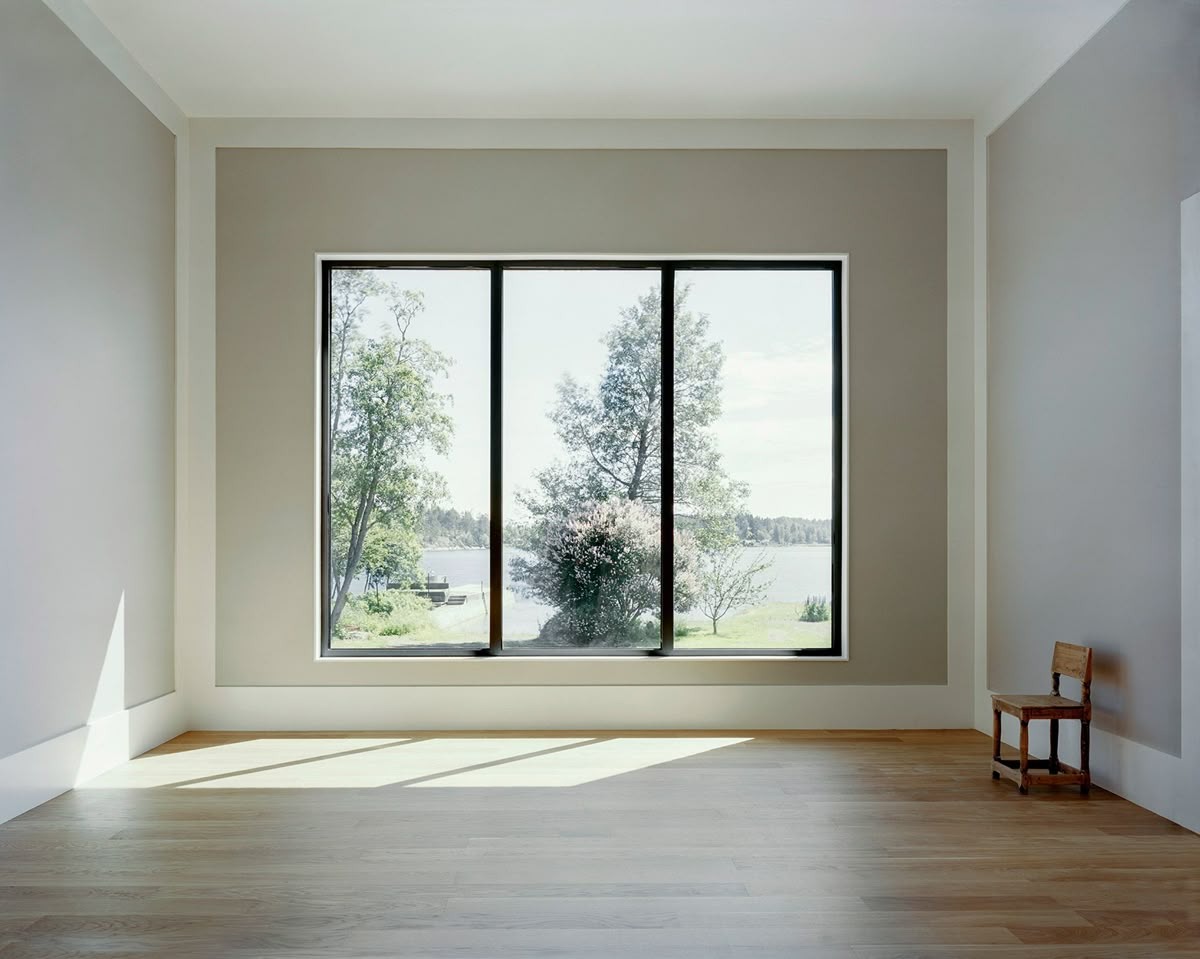
Tempered Glass, Fall-Prevention Latches, and Child-Safe Design
Windows bring light, ventilation, and a sense of openness to any building. Yet, when safety is overlooked, they can also become a source of serious accidents. From glass breakage to falls, window-related injuries remain a concern, particularly for families with young children or homes with upper floors.
Understanding how window safety features work – including tempered glass, fall-prevention latches, and thoughtful child-safe design – can help you create a secure environment without compromising comfort or style. This guide explains how these systems function, where they’re required, and how to choose the best options for your space.
Understanding Window Safety Features
Window safety focuses on reducing two main risks: injury from glass breakage and falls from open windows. Modern window systems address these issues through advanced glazing materials and mechanical safety devices.
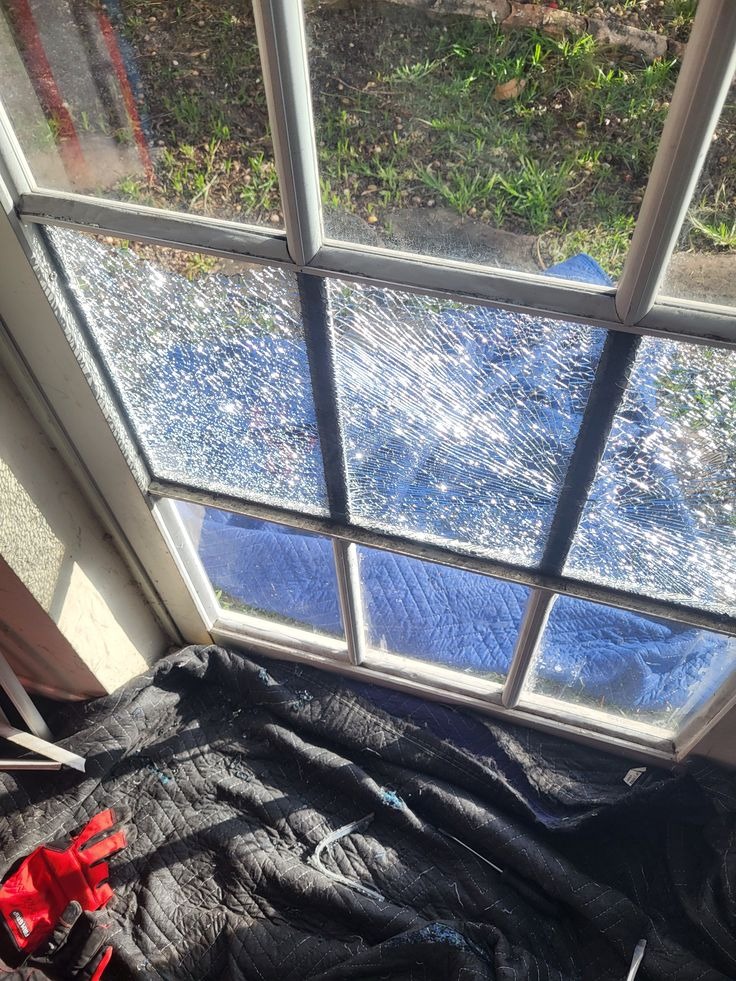
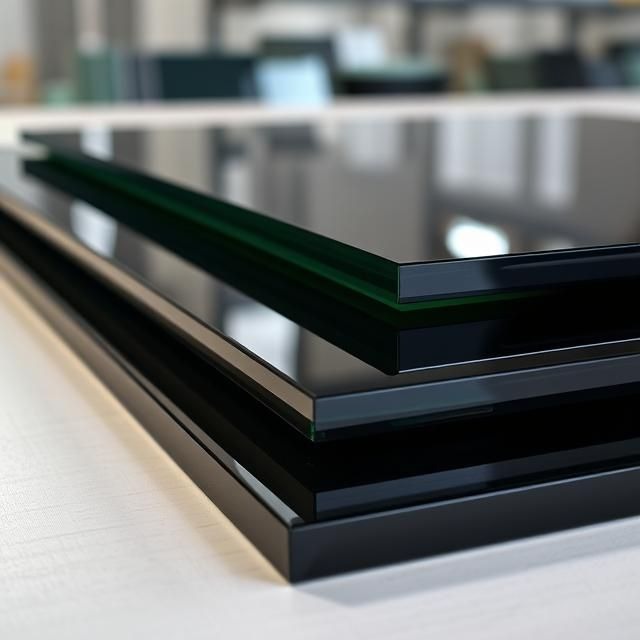
- Safety Glazing (Tempered or Laminated Glass): Tempered glass is the standard for impact safety. It is heat-treated to be several times stronger than regular glass. If broken, it shatters into small, pebble-like pieces rather than sharp shards, greatly reducing the risk of serious cuts. Laminated glass, used in some premium or high-security applications, bonds two layers of glass with a clear interlayer that holds fragments in place when broken. This option offers both safety and enhanced security because it is harder to penetrate.
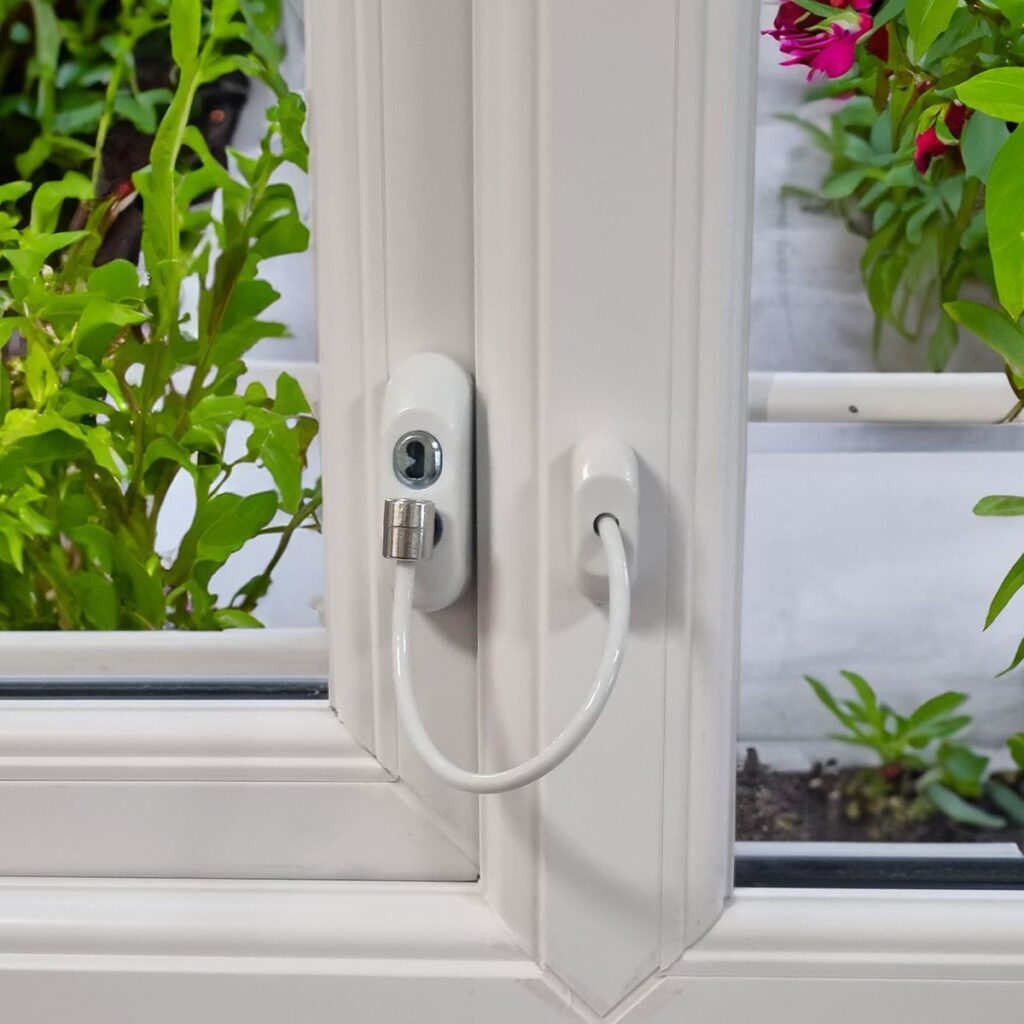
- Fall-Prevention Latches (WOCDs): Window Opening Control Devices, or WOCDs, restrict how far a window can initially open – usually to less than 10 cm (about 4 inches). This narrow opening prevents small children from accidentally falling through. Each WOCD includes a release mechanism that allows an adult to open the window fully for ventilation or emergency escape. The device resets automatically when the window is closed again, maintaining ongoing protection.
- Child-Safe Design: Safety extends beyond the glass and hardware. It includes how windows are placed and used inside the home. Examples include installing windows with higher sills in children’s rooms, avoiding furniture that allows climbing access, and selecting cordless blinds to remove strangulation risks.
Why Window Safety Matters
Every year, thousands of injuries occur because of window falls or glass breakage. Most are preventable. Implementing safety measures is not only a matter of good practice but often a legal requirement.
- Preventing Falls
Accidental falls are one of the leading causes of injury among young children. Fall-prevention devices such as WOCDs, window guards, or high sill heights reduce this risk substantially. Parents should also supervise open windows and ensure safety devices remain engaged.
- Reducing Injury from Breakage
Accidents, storms, or everyday impacts can cause glass to fail. Safety glazing dramatically limits injury potential, especially near doors, stair landings, or bathrooms where slips or collisions are more likely.
Canadian and U.S. building codes require safety glass in designated “hazardous locations,” following standards like CAN/CGSB 12.1 or ANSI Z97.1.
- Meeting Building Code Requirements
In new builds and major renovations, codes may specify:
- Tempered or laminated glass in doors, sidelites, or near floors and bathtubs.
- WOCDs for operable windows above ground level to prevent falls.
- Minimum sill heights for windows in bedrooms to balance fall prevention with escape needs.
Following these requirements ensures compliance, protects occupants, and often lowers liability risk.
- Improving Security
While not primarily a security measure, laminated glass adds a layer of protection against intrusion. Its bonded layers are difficult to break through, providing both safety and peace of mind.
Comparing Common Window Safety Features
| Feature Type | Tempered Glass | Laminated Glass | Window Opening Control Device (WOCD) | Window Guard |
| Primary Goal | Prevent injury from impact | Prevent injury; enhance security | Prevent falls | Prevent falls |
| Mechanism | Shatters into small fragments | Holds pieces together on impact | Limits initial opening to 4 in (10 cm) | Creates physical barrier |
| Impact Safety | Excellent | Excellent | N/A | N/A |
| Fall Prevention | None | None | Excellent | Excellent |
| Security | Standard | Enhanced | None | Moderate |
| Egress | Unaffected | Unaffected | Requires release latch | Must include quick release |
| Cost | Moderate | Higher | Low | Variable |
| Code Req. | Required in hazard zones | Acceptable alternative | Increasingly required for upper floors | Optional if compliant with egress rules |
Choosing the Right Safety Features
Selecting the right features depends on the window’s location, occupants, and local building codes:
- Evaluate Window Location:
- Near Floors, Doors, or Bathrooms: Install tempered or laminated glass where code defines the area as a “hazard zone.”
- Upper-Floor Bedrooms: Add WOCDs to prevent accidental falls. Verify devices meet ASTM F2090 standards and can be released easily by adults.
- High-Traffic Areas: Choose durable glazing that withstands impacts without cracking.
- Consider Who Lives in the Home: If young children or elderly residents occupy the space, prioritize easy-to-operate mechanisms, higher sill heights, and furniture arrangements that minimize access to windows.
- Check Local Building Codes: Each municipality follows slightly different safety rules. Consult a licensed contractor or building official to confirm specific requirements for glazing, sill heights, and egress clearance.
- Maintain Emergency Escape Routes: In bedrooms and basements, safety devices must not block emergency exits. Ensure all WOCDs and window guards can be released quickly without tools.
- Choose Cordless Coverings: Health Canada and other safety authorities advise using cordless blinds or shades in homes with children. They eliminate the risk of accidental entanglement or strangulation.
Common Mistakes to Avoid
- Relying on Screens: Window screens are designed for insects, not safety. They cannot hold a child’s weight and should never be treated as a barrier.
- Disabling WOCDs: Overriding or misinstalling the latch defeats its purpose. Ensure the device automatically resets after closing.
- Blocking Egress: Permanent bars or guards without quick-release functions can trap occupants during a fire.
- Ignoring Code Zones: Neglecting tempered or laminated glass in bathrooms, stairwells, or near doors creates unnecessary injury risk.
- Placing Furniture Under Windows: Beds, chairs, or storage units below sills make climbing easier for children, increasing fall potential.
WOCDs vs. Window Guards
Both devices prevent falls, but their operation differs.
WOCDs are built into the sash or frame, limiting how far the window opens but preserving a clean look. They are now the preferred solution in most modern codes because they combine safety and egress flexibility.
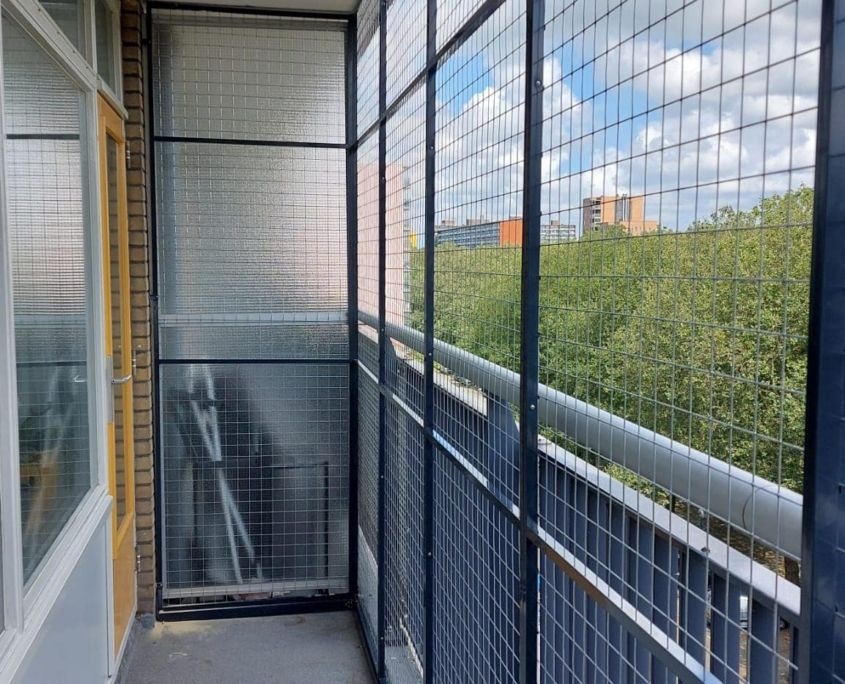
Window guards are external barriers made of bars or mesh. They are useful in older buildings where WOCDs cannot be added, but they must include a quick-release mechanism for emergencies. For new construction, integrated WOCDs generally provide a better balance between safety, function, and appearance.
Frequently Asked Questions (FAQ)
1. What should I consider for window safety?
Key aspects include preventing falls (especially for children) using WOCDs or guards and ensuring they allow emergency egress; reducing injury risk from breakage with safety glazing (tempered/laminated glass) where needed or required by code; and eliminating strangulation hazards with cordless window coverings. Avoid relying on screens for safety and ensure furniture placement doesn’t allow climbing access.
2. How do I choose the best safety features?
Assess the window’s location (upper floor, near floor, bathroom) and consult local building codes to determine requirements for safety glazing and fall prevention (WOCDs). Prioritize features that balance safety with emergency escape needs, especially in bedrooms. Always opt for cordless window coverings in homes with children.
3. What are the advantages and disadvantages of focusing on window safety?
- Advantages: Significantly reduces the risk of serious injury or death from falls and glass breakage; helps comply with building codes; provides peace of mind, especially for families with children.
- Disadvantages: Can add cost to window purchase/installation (safety glazing, WOCDs); requires careful selection to ensure emergency egress is not compromised; WOCDs require user understanding for emergency release.
Conclusion
Safe window design protects more than just the structure of your home – it protects the people inside it. Tempered or laminated glass helps prevent injury from breakage, while fall-prevention devices such as WOCDs significantly reduce the risk of child falls from upper floors. Combined with cordless window coverings and thoughtful room layouts, these features form a complete safety strategy.
By understanding building code requirements, choosing certified products, and maintaining them properly, homeowners can enjoy the beauty and ventilation that windows bring without compromising safety. The result is a brighter, healthier, and more secure living space for everyone.