
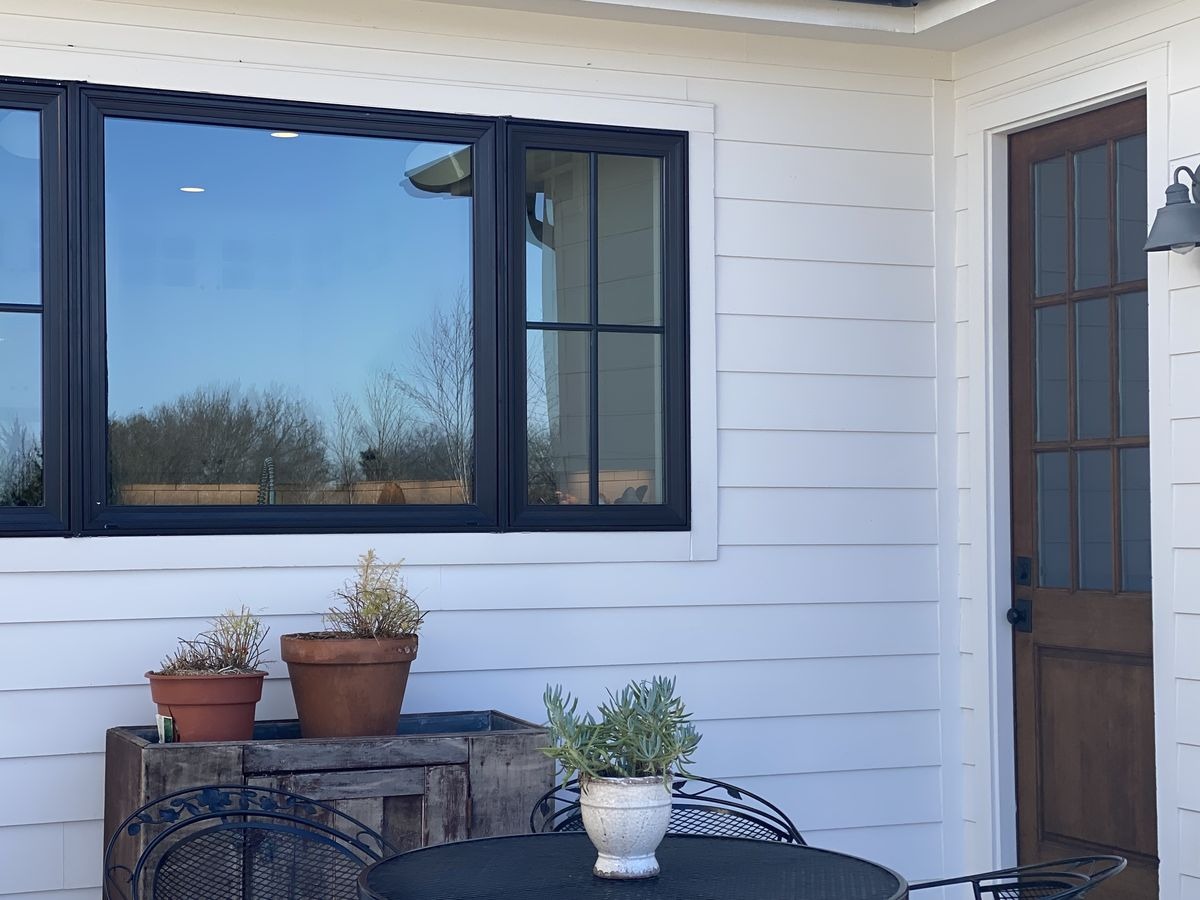
Large picture windows can transform a room. They frame outdoor scenery, brighten interiors, and create a sense of calm openness. The trade-off is that a fixed pane does not provide airflow. If you want the panorama of a picture window and the comfort of fresh air, pairing the center glass with operable flankers is a smart, proven solution.
This configuration combines a wide, fixed viewing area with smaller side windows that open. When planned well, it balances daylight, ventilation, energy performance, and aesthetics. The sections below explain how the setup works, how it compares to other approaches, and how to choose flankers that look right and perform well year-round.
What Are Picture Windows With Operable Flankers
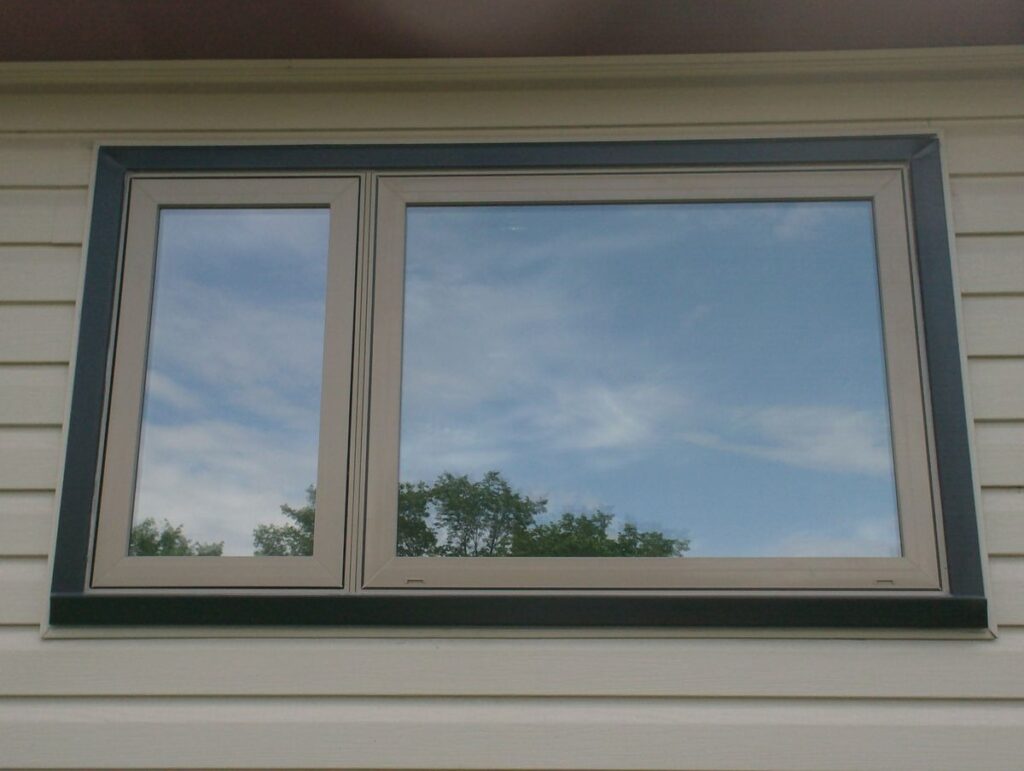
This arrangement has two parts that function as one visual unit.
- Picture window: A large, non-opening center pane that provides maximum glass area and uninterrupted views.
- Operable flankers: Narrower windows on one or both sides of the picture pane that open for airflow. Common choices include:
- Casement windows: Side-hinged, crank outward, deliver strong ventilation and an excellent compression seal when closed.
- Awning windows: Top-hinged, swing outward from the bottom, allow ventilation even during light rain and seal tightly when locked.
- Double-hung windows: Two sliding sashes for a traditional look. They are used less often as flankers because the meeting rail can interrupt the sightline and air leakage is typically higher than casements or awnings.
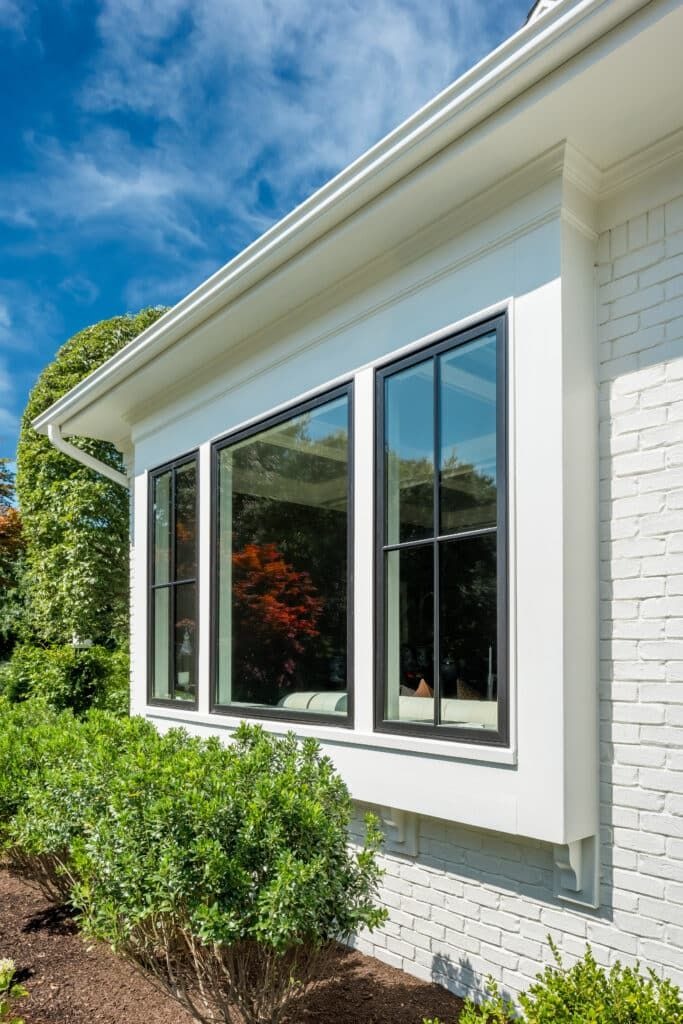
Together, the center pane provides the view while the side units manage air, comfort, and day-to-day use.
Why This Combination Works
Opting for picture windows with operable flankers offers several significant advantages for homeowners:
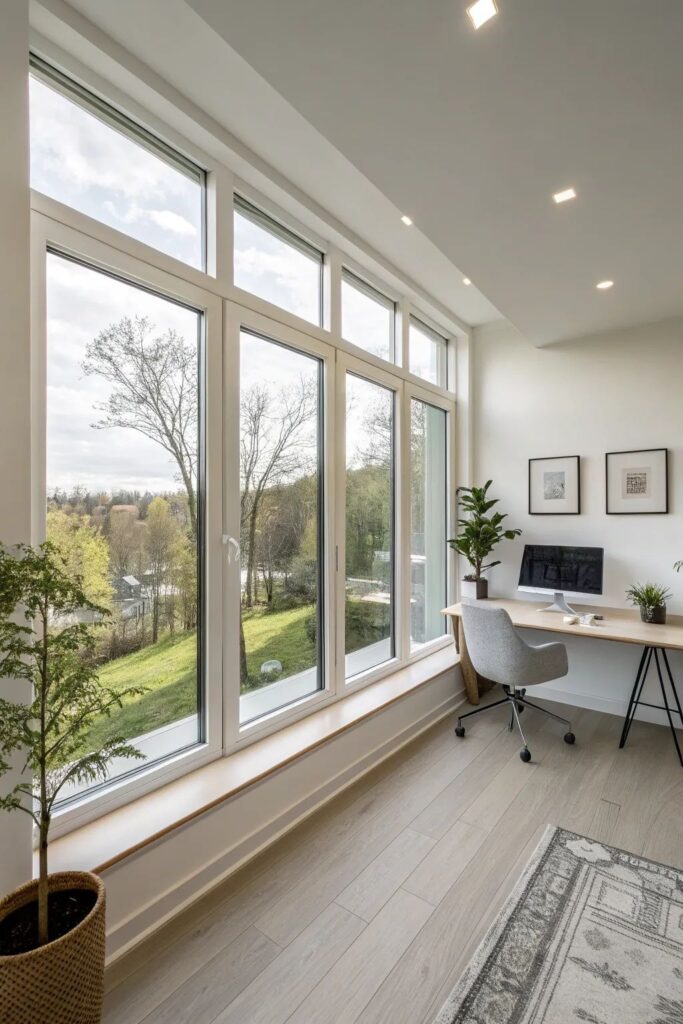
- Uncompromised views: The center picture pane keeps the view clear and expansive, turning the outdoors into a focal point.
- Adjustable ventilation: Flankers let you tune airflow where you need it, improving comfort and indoor air quality without opening windows across the house.
- Architectural impact: The combined unit reads as one strong design element from inside and out. It suits a wide range of styles, from modern profiles to traditional trim.
- Daylight without clutter: The big center pane maximizes light, while operable edges avoid the busy look of multi-lite operable groups.
- Energy balance: A fixed center pane is naturally tight. High-quality operable flankers with low air leakage and low U-factors bring airflow when you want it and seal well when you do not. Government research in Canada notes that poorly performing windows, doors, and skylights can account for a large share of a home’s total heat loss, so tightening those edges directly improves comfort and energy costs.
Comparison: Picture + Flankers vs. Other Options
| Parameter | Picture + Operable Flankers | Picture Window Only | Large Operable Window (e.g., Multi-Lite Casement/Slider) | Multiple Smaller Operable Windows |
| View Obstruction | Minimal (Only at flanker edges) | None | Moderate (Internal frames/mullions) | High (Multiple frames/mullions) |
| Ventilation Control | Good | None | Excellent | Excellent |
| Maximum Glass Area | Very High | Highest | High | Moderate |
| Cost | High | Medium | High to Very High | Medium to High |
| Design Flexibility | Very Good | Limited (Shape only) | Good | Good |
This layout offers one of the best view-to-ventilation ratios. You get a wide, clean panorama while keeping controlled, targeted airflow at the sides.
How to Choose the Best Operable Flankers
Selecting the right flankers is crucial for the success of the combination:
- Select the right flanker type
- Casement flankers are the top pick for performance. They open wide for strong cross-breezes and close against a compression seal for low air leakage. This kind of controlled opening supports true natural ventilation by letting outdoor air move through the room using pressure and temperature differences instead of relying on powered fans (Learn more about this at the Ohio State University).
- Awning flankers are excellent where light rain is common or where the sill sits high on the wall. They pair well under taller picture windows.
- Double-hung flankers suit traditional façades but introduce a center meeting rail and typically have higher air leakage than casements or awnings.
- Get the proportions right: Aim for a center-dominant composition. Flankers that are too wide can dilute the picture effect, while very narrow flankers may look undersized and limit airflow. Consider wall width, ceiling height, and exterior symmetry. Many successful layouts keep each flanker at roughly one quarter to one third of the center pane’s width, adjusted to the room and elevation.
- Match materials and profiles: Choose the same frame material, colour, and profile across center and flankers for a unified appearance. Wood-clad, composite, fiberglass, and thermally-broken aluminum all work well when specified consistently. Narrow, well-insulated frames help preserve the view while controlling heat loss in winter.
- Plan hardware and access: Casement cranks and locks should be reachable without interfering with furniture or window treatments. Low-profile hardware helps shades clear cleanly.
- Include screens from the start: Operable flankers need insect screens. Confirm screen style and attachment so the look remains clean. For casements and awnings, modern low-visibility mesh maintains a sharp view through the picture pane.
Common Mistakes to Avoid
- Mismatched sightlines: Different frame thicknesses or inconsistent mullion reveals make the unit look pieced together. Keep sightlines aligned across all parts.
- Flankers with weak performance: Pairing a tight picture pane with drafty flankers defeats the purpose. Look for low U-factor glass, low air leakage ratings, and proper weatherstripping.
- Ignoring swing clearance: Outward-swinging casements can hit deck furniture, walkway paths, or nearby railings. Confirm clearances on plans and on site.
- Poor mulling and sealing: Weak connections between units can leak air and water. Factory mulling or careful site mulling with approved joiners, sealants, and flashing is essential.
- Lost proportion: Over-sized flankers shrink the visual impact of the center pane. Under-sized flankers reduce usability. Sketch options and review both interior and exterior elevations.
Discussion: Unified Factory-Mulled Unit vs. Separate Units
A single factory-mulled assembly typically offers clean, consistent sightlines, aligned profiles, and robust structural connections. It can simplify weather sealing at the joints and may reduce installation time. The trade-off is size and weight. Large factory-mulled units can be heavy and harder to maneuver during renovations or through tight access. From a building-performance standpoint, tighter, well-detailed window assemblies plus controlled operable openings can also reduce reliance on mechanical cooling by supporting passive heat relief and fresh air exchange, which is a core strategy promoted in international energy-efficiency guidance for buildings (You can learn more at the following link: WIPO / United Nations).
Installing separate windows side by side can be practical for large openings or challenging access. When this route is chosen, performance depends on careful mulling on site, correct sealants, backer rod, and manufacturer-approved flashing. Either path can perform very well when the details are handled correctly.
Frequently Asked Questions (FAQ)
1. What should I consider when choosing picture windows with operable flankers?
Consider the balance between your desire for an unobstructed view and your need for ventilation. Think about the best type of operable flanker (casement, awning) for airflow and sealing, the proportions relative to the picture window, ensuring matching frame styles, and the overall budget. Don’t forget screen options and potential obstructions from outward-swinging windows.
2. How do I choose the best flanker windows?
Select flankers that match the picture window’s material, colour, and frame profile. Prioritize energy efficiency (low U-factor, low air leakage) – casements generally offer the best performance. Ensure the size is proportional and the operating hardware is convenient.
3. What are the advantages and disadvantages of this combination?
- Advantages: Provides both a large, clear view and controlled ventilation; offers significant architectural appeal; maximizes natural light; balances energy efficiency by combining a highly sealed fixed unit with efficient operable units.
- Disadvantages: Higher cost than a single picture window; more complex installation than a single unit; potential for issues at the joints between windows if not properly manufactured or installed; requires careful consideration of flanker type and proportions.
Conclusion
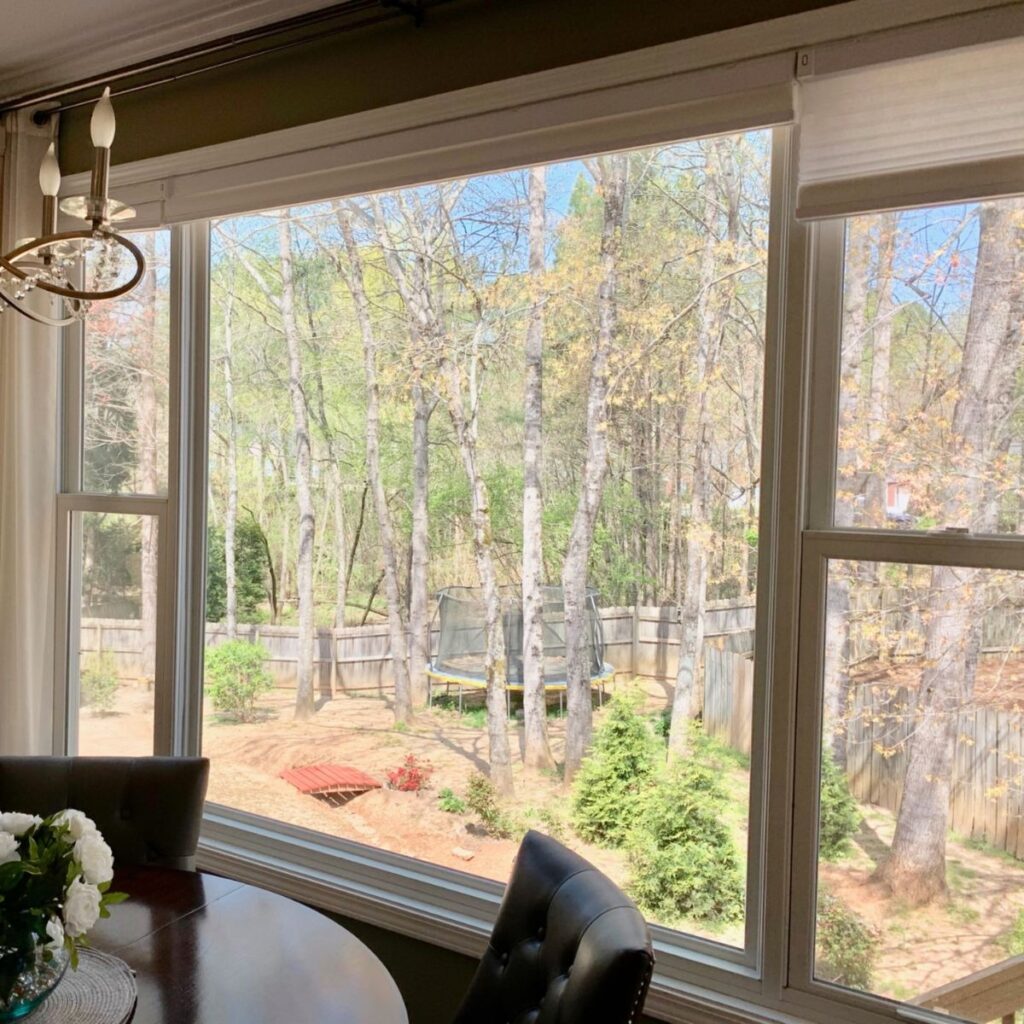
For spaces that deserve a dramatic view and dependable fresh air, a picture window flanked by operable units is a thoughtful, high-performing choice. The center pane delivers a clean panorama and abundant daylight, while well-chosen flankers provide quiet, controllable ventilation and tight sealing in cold weather.
Focus on flanker type, proportion, and whole-unit consistency. Specify low air leakage, low U-factor glass, and careful mulling and flashing. With those pieces in place, you will enjoy the best of both worlds: a wide, uninterrupted view that keeps your home bright and a comfortable flow of fresh air when you want it.