
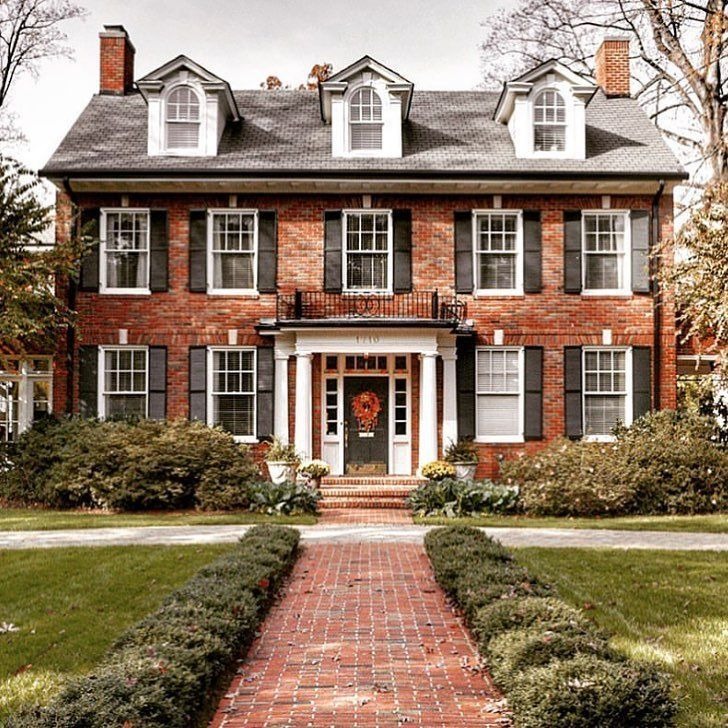
Owning a home in a historic district brings the reward of architectural charm and the responsibility of maintaining it. When it comes to replacing windows, the process is often more complex than choosing a modern style. Every visible detail – from the shape of the frames to the color of the paint – must meet preservation standards designed to protect the district’s character.
Most historic review boards focus closely on three elements: mullions, profiles, and color. These small details carry much of a home’s visual identity. Understanding how to match them, and how the approval process works, can make the difference between a smooth project and a frustrating one. This guide walks you through the essentials of historic window approvals, helping you find the right balance between authenticity and performance.
Understanding Historic District Approvals
Historic districts are established to preserve neighbourhoods with notable architectural or cultural value, and to protect defining historic features as part of a recognized heritage resource (Learn more about this at the Government of Canada). Their review boards evaluate exterior changes visible from the street – including window replacements – to make sure renovations maintain the district’s visual continuity.
When reviewing window projects, boards typically evaluate three key aspects:
- Mullions and Muntins: These are the narrow bars that divide the glass into smaller panes. Older homes often used true divided lites (TDL), where each pane was individually framed by wood. Modern windows often use simulated divided lites (SDL), surface-applied grids that mimic the same look. Boards scrutinize grid patterns, dimensions, and the raised profiles that give authentic depth.
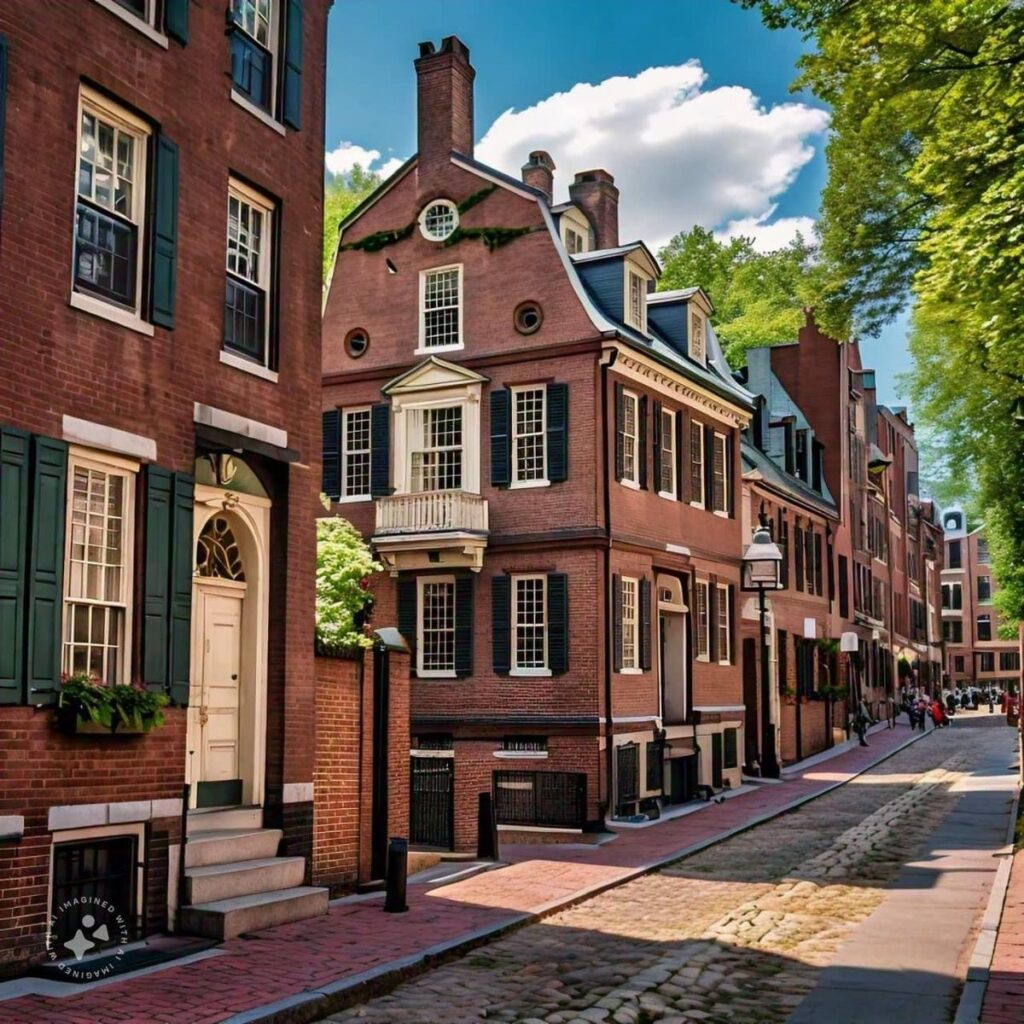
Profiles: Profiles describe the contours and depth of the sash and frame. Traditional wood windows had detailed, sculpted shapes that contributed to the home’s style. Many modern materials create flatter or bulkier appearances that do not align with historic proportions. Approvals depend on how well new profiles replicate the originals, because most preservation standards require replacement windows to match the historic units in visible details like frame depth, muntin profile, material, finish, and overall sightlines (This information is taken from U.S. National Park Service).
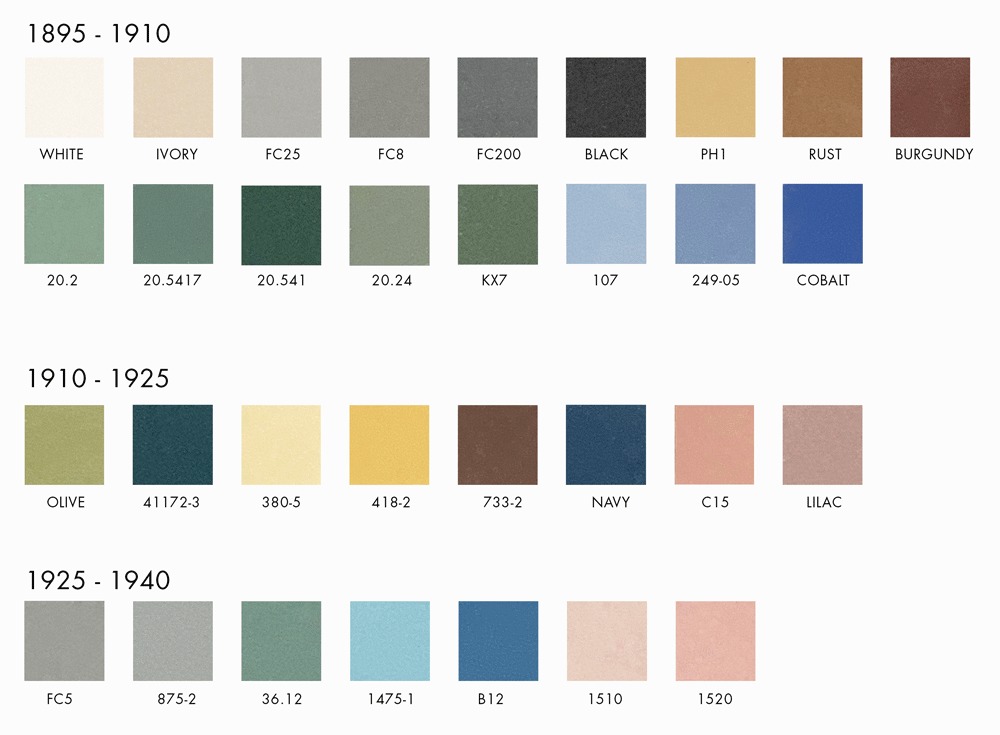
- Color: Color plays a defining role in preserving architectural harmony. Some commissions specify historically appropriate palettes; others require matching the original hue. Approved replacement windows often need custom color matching to stay consistent with the home’s era.
Why Matching These Details Matters
While the process can seem demanding, adhering to local guidelines benefits both the homeowner and the community.
- Legal compliance: Installing unapproved windows can trigger fines or stop-work orders and may require removal of the new units.
- Preserving value: Authentic detailing supports the curb appeal and resale value of properties in heritage zones.
- Neighbourhood character: Consistent window design keeps façades cohesive and protects the district’s shared identity.
- Respecting craftsmanship: Faithful replication honors the architectural integrity of the original builders while blending modern efficiency with tradition.
Matching Historic and Modern Window Features
| Feature | Historic Windows | Modern Replicas | Key Considerations |
| Mullions & Muntins | True Divided Lites (individual glass panes) | Simulated Divided Lites with exterior and interior grids | Match grid pattern, width, and raised profile; avoid flat between-glass grids |
| Profiles | Deep, detailed wood shapes with distinct shadow lines | Flatter profiles (often vinyl) unless custom wood or fiberglass | Choose materials that replicate depth; avoid bulky extrusions |
| Color | Traditional paint hues typical of architectural period | Durable factory coatings with custom color options | Verify historic palette or provide color samples for approval |
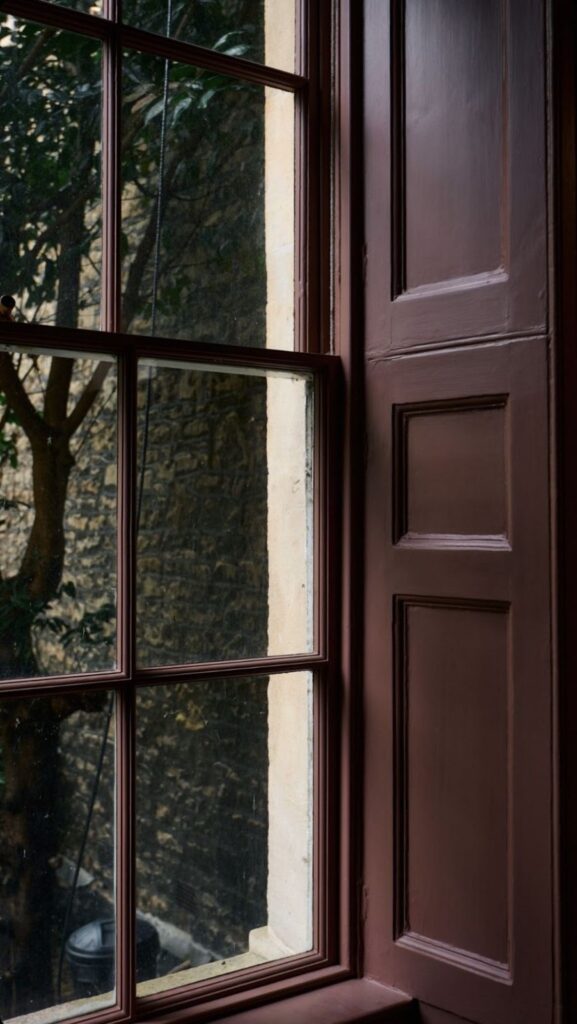
Modern manufacturing allows many materials to mimic the look of original wood windows, but not all succeed visually. When in doubt, opt for wood, wood-clad, fiberglass, or high-end composite – these replicate period shapes far better than standard vinyl.
How to Prepare for Historic District Review
Step 1: Start With Local Guidelines
Each district’s rules differ. Obtain written design guidelines from your municipality before beginning design or ordering materials. These documents clarify approved materials, colors, and grid types.
Step 2: Document What You Have
Take clear photos of your existing windows inside and out. Note the pattern of the mullions, the depth of the sash, and the frame shape. These visuals are invaluable during your application and help manufacturers customize replacements.
Step 3: Match Profiles and Materials
Wood remains the preferred standard, but many boards accept high-quality fiberglass or composite units that replicate traditional proportions. Standard vinyl is often rejected because its surface sheen and bulkier frames disrupt historic detailing.
Step 4: Choose Authentic Grids
If true divided lites are too costly or thermally inefficient, select SDLs with exterior grids that have genuine relief and aligned spacer bars between glass panes to simulate individual lites.
Step 5: Confirm Color Accuracy
Use samples or paint chips from your existing windows, or refer to historic color charts. Many manufacturers offer custom factory finishes matched to heritage palettes for long-term durability.
Step 6: Submit Detailed Documentation
Include photos, manufacturer cut sheets showing grid and frame profiles, paint or finish samples, and a written description of the proposed work. Complete, organized documentation speeds review and demonstrates respect for the process.
Step 7: Consider Expert Assistance
If your project is complex or your home is a registered landmark, an architect or preservation specialist can help interpret guidelines, prepare drawings, and communicate with the review board.
Common Mistakes to Avoid When Seeking Historic Approval
- Assuming any replacement will pass: Generic windows rarely meet historic requirements without customization.
- Using the wrong materials: Flatter vinyl frames or metal-look finishes can stand out harshly in older streetscapes.
- Choosing flat or between-glass grids: These fail to reproduce the texture and depth of true divided lites.
- Ignoring color standards: Picking a modern factory color without verifying compliance can lead to rejection. International conservation and energy-efficiency guidance for heritage buildings stresses that upgrades should not alter the visible façade character – including window material, glazing reflectivity, and color tone – even when you’re trying to improve comfort and reduce heat loss (You can learn more at the following link: WIPO / United Nations).
- Submitting incomplete paperwork: Missing specifications or unclear photos delay approvals and may force revisions.
- Starting work early: Installing before official approval almost always results in penalties and expensive do-overs.
Balancing Authenticity with Efficiency
One of the most frequent debates in preservation circles is how to reconcile historic aesthetics with modern performance. Original single-pane wood windows were elegant but energy-inefficient. Complete restoration can preserve character but often costs more and still provides limited insulation.
Most review boards now recognize practical compromise. They often approve double- or triple-glazed replacements if the design precisely matches historic dimensions and detailing. Preservation guidance for historic structures emphasizes retaining character-defining elements – trim, sash profiles, muntins, and finishes – while integrating modern performance upgrades in a way that doesn’t erase or overwhelm the original fabric (This information is taken from Whole Building Design Guide).
Advanced coatings such as Low-E glass and gas fills improve comfort and reduce drafts without changing appearance. The guiding principle is simple: modern performance is welcome as long as the visual heritage remains intact.
Frequently Asked Questions (FAQ)
1. What should I consider first for historic district window approvals?
Your very first step should be obtaining and carefully reading the specific design guidelines published by your local historic district commission or municipality. These rules dictate what is permissible regarding materials, mullions, profiles, and colors.20
2. How do I choose the best replacement window for a historic home?
Prioritize windows that offer the closest visual match to your originals. This often means wood windows or high-quality fiberglass/composite options with authentic-looking simulated divided lites (SDLs), custom profiles that replicate wood shapes, and custom color matching.
3. What are the advantages and disadvantages of replacing historic windows?
- Advantages: Improved energy efficiency (lower bills, less draft), enhanced comfort, lower maintenance (especially with clad or synthetic materials), better operability and security.
- Disadvantages: Loss of original historic fabric, potential challenges and costs associated with meeting strict approval guidelines, replacement windows might not last as long as well-maintained original wood windows.
Conclusion
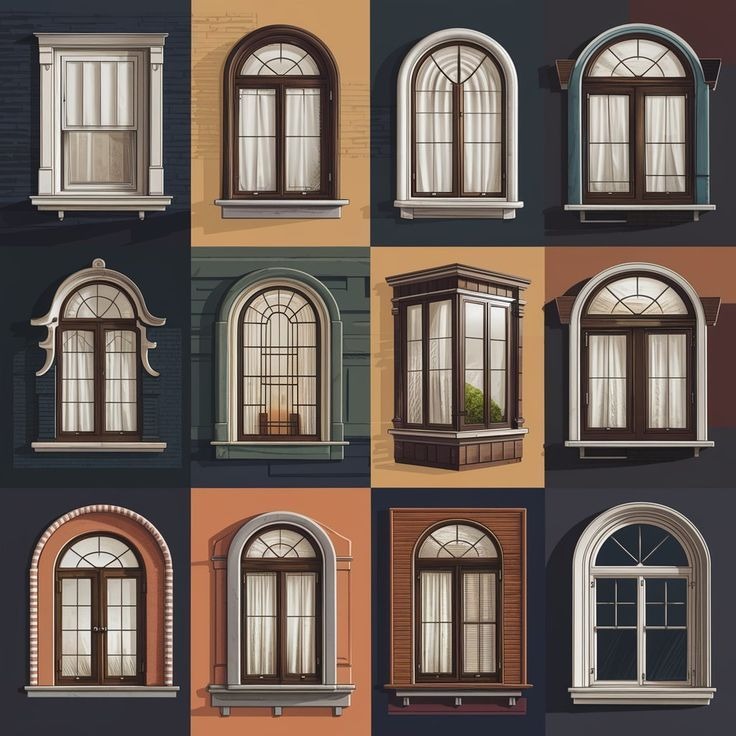
Replacing windows in a historic home is not simply a matter of upgrading materials – it’s an act of stewardship. Approval success depends on respecting the details that define your home’s story: the mullion pattern, the profile depth, and the authentic color palette.
By researching local guidelines, documenting existing features, and selecting materials that faithfully reproduce historic craftsmanship, you can achieve both compliance and comfort. When done thoughtfully, your new windows will preserve the building’s architectural integrity, enhance efficiency, and ensure that the beauty of your historic district endures for generations to come.