
Black interior window and patio door finishes have become a defining feature of contemporary home design. They offer a sharp, architectural look that frames outdoor views like art and pairs well with minimalist or industrial interiors. Yet, as with most design trends, beauty comes with practical considerations. Dark finishes absorb more heat and can highlight dust or fingerprints, and some homeowners worry about fading or glare.
The good news is that with the right materials, glazing, and room design, you can enjoy this bold aesthetic without sacrificing comfort or performance. This guide explains how black interior finishes behave, compares materials, and outlines design strategies to manage heat, light, and long-term durability.
Understanding Black Interior Finishes
The term refers to the colour treatment applied to the interior-facing surfaces of a window or patio door frame. Historically, white and wood tones dominated residential design. Black has emerged as a versatile alternative that works with almost any architectural style, from heritage homes to modern builds.
Depending on the frame material, the finish may be achieved through paint, stain, powder coating, or co-extrusion (where colour is baked or molded into the material). Wood, composite, fiberglass, and aluminum can all support high-quality black finishes when manufactured correctly.
Why Colour Choice Affects Performance
Your choice of interior frame colour influences both appearance and everyday comfort.
- Visual Comfort: Black frames create a striking contrast against daylight and draw the eye toward the view. This visual “framing” effect can make outdoor scenery appear sharper. However, in very bright rooms, the dark colour absorbs more light than it reflects, slightly changing how the space feels under direct sun.
- Temperature Control: Dark finishes naturally absorb heat. On sunny days, a black frame may feel warmer to the touch, particularly on south- or west-facing windows. The degree of temperature rise depends on the frame material’s insulation value and the quality of the glass coating. Lower-solar-gain glass with the right Solar Heat Gain Coefficient (SHGC) can cut how much heat actually enters the room, which directly reduces cooling load in summer (This information is taken from Government of Canada).
- Long-Term Appearance: Modern coatings are highly stable, but ultraviolet (UV) exposure can still fade colour over time if materials are poor quality. Sunlight isn’t just bright – UV radiation is energetic enough to break down surfaces and pigments over time, and that effect is cumulative (Learn more about this at the World Health Organization). Understanding which frame types handle UV and temperature changes best helps ensure lasting performance.
Comparing Black Finish Performance by Material
Material selection plays the largest role in how a black finish performs. The table below summarizes how different frame types respond to sunlight, heat, and general wear.
| Parameter | Wood-Clad | Composite | Fiberglass | Thermally-Broken Aluminum |
| Fade Resistance | Good (Interior wood is protected from elements; depends on stain/paint quality) | Very Good (Colour often integrated into the material) | Excellent (Powder coats are baked on, highly durable) | Excellent (Powder coats or anodized finishes are very durable) |
| Heat Absorption | Low (Wood is a natural insulator) | Medium (Less conductive than metal) | Low (Fiberglass is a good insulator) | Medium (Thermal break helps, but metal still absorbs heat) |
| Durability of Finish | Good (Can be refinished if needed) | Very Good (Resists scratches/dents) | Excellent (Resists scratches, chalking) | Excellent (Resists scratches, won’t rust) |
| Maintenance | Low (Wipe clean) | Low (Wipe clean) | Low (Wipe clean) | Low (Wipe clean) |
Key insight: fading is less of a concern with current manufacturing technologies. The main challenge is heat absorption in high-sunlight zones, which can be managed with insulated frames and high-performance glazing.
Designing for Comfort and Longevity
Successfully integrating black interior finishes requires planning for both aesthetics and environmental conditions.
- Consider Sun Exposure: For rooms with strong direct sunlight, focus on managing solar gain:
- Choose advanced glass coatings. Low-emissivity (Low-E) glass with a low Solar Heat Gain Coefficient (SHGC) filters infrared light while maintaining brightness.
- Select insulating frames. Fiberglass, wood-clad, and high-quality composite frames help minimize conductive heat transfer compared to metal.
- Think about placement. South- and west-facing windows may benefit from overhangs, awnings, or nearby trees that soften midday sun.
- Plan Window Coverings Early: Black frames are eye-catching but still need practical shading.
- Roller shades in light, neutral fabrics filter sunlight without hiding the design.
- Drapery panels can frame the window visually while providing privacy and insulation at night.
- Cellular shades add excellent thermal protection, keeping rooms cooler in summer and warmer in winter.
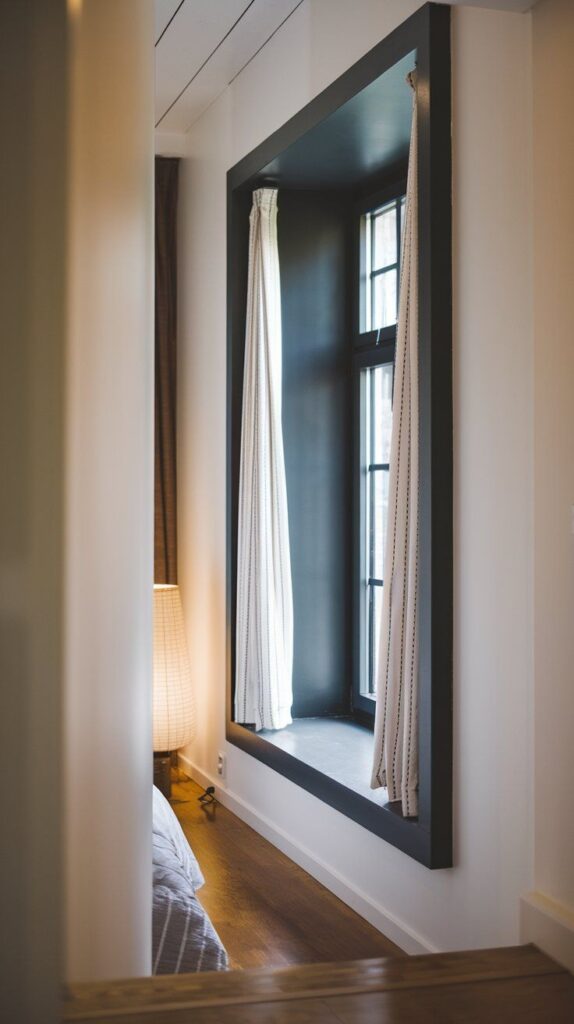
High-performance glazing plus smart shading (roller shades, cellular shades, exterior awnings) is a proven strategy to cut glare and limit solar heat gain before it ever reaches the room (You can learn more at the following link: Rutgers University).
- Balance with Interior Design: To keep dark frames from overpowering a space:
- Use light wall colours such as white, ivory, or pale gray to maintain brightness.
- Add texture through natural materials like wood, linen, or woven rugs to soften contrast.
- Repeat black elements in smaller accents such as fixtures, cabinet pulls, or furniture legs to create a cohesive palette.
Common Mistakes to Avoid
- Leaving Every Window Uncovered: While it’s tempting to show off black frames at all times, uncovered glass increases glare and heat gain. Plan for discreet or stylish coverings that preserve comfort.
- Using Low-Quality Finishes: Budget black vinyl frames may fade or warp under sustained sunlight. Higher-grade materials like fiberglass or thermally-broken aluminum with baked finishes maintain colour and shape for decades.
- Ignoring the Outside View: Remember that interior finishes are visible from outside at night. If your exterior is also black, consider whether white blinds or shades will create contrast after dark. Dual-colour options (black inside, white outside) offer flexibility.
- Overlooking Cleaning Needs: Dark surfaces show dust and fingerprints more easily. Routine light cleaning keeps frames looking crisp and new.
Are Black Frames More Prone to Glare?
Glare comes from excessive light contrast, not from the colour of the frame itself. In fact, black frames can reduce visual glare by creating a strong boundary between indoor lighting and outdoor brightness. They absorb stray reflections instead of bouncing them back into the room.
The more important issue is heat. Dark finishes can reach higher surface temperatures under direct sunlight, which makes material quality and proper glazing more critical than frame colour alone. When paired with energy-efficient glass and thoughtful shading, black interiors remain comfortable and functional.
Frequently Asked Questions (FAQ)
1. What should I consider when choosing black interior finishes?
Consider the amount of direct sunlight the window receives, the quality and material of the window frame, your needs for privacy and light control (which dictate window coverings), and how the black will coordinate with your overall interior design scheme.
2. How do I choose the best window treatments for black frames?
Light-filtering roller shades, drapery panels that frame the window, cellular shades for insulation, and woven wood shades for texture are all excellent choices. Avoid heavy, dark blinds that might make the room feel too dark or clash with the frame.
3. What are the advantages and disadvantages of black interior finishes?
- Advantages: Creates a modern, sophisticated look; provides striking contrast; frames outdoor views beautifully; versatile across many design styles.
- Disadvantages: Absorbs more heat than light colours; shows dust more easily; potential (though reduced with modern materials) for fading over long periods of intense sun exposure; may require more careful coordination with window treatments and decor.
Conclusion
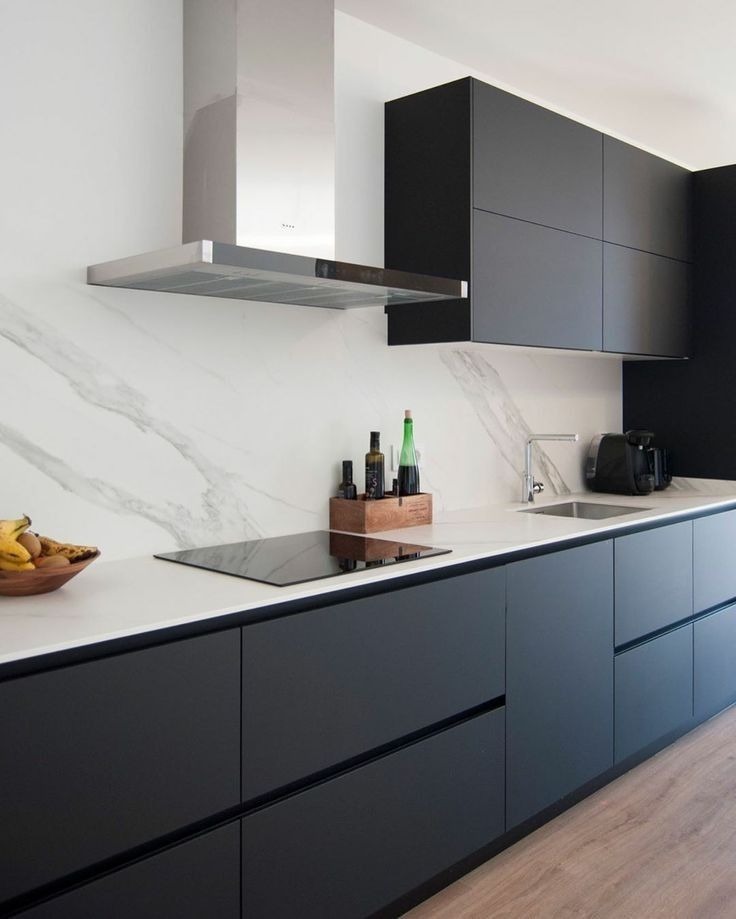
Black interior window finishes bring drama and definition to modern spaces. Once associated with high-maintenance concerns, today’s advanced coatings and frame technologies make them both durable and energy-efficient.
By pairing dark frames with insulated materials, Low-E glass, and well-chosen window treatments, you can enjoy the bold look of black without the downsides of glare, fading, or heat build-up. The result is a balanced, comfortable home that blends contemporary style with practical performance for years to come.